
 By Dr. Jonggoo Park – Fountain Valley, CA
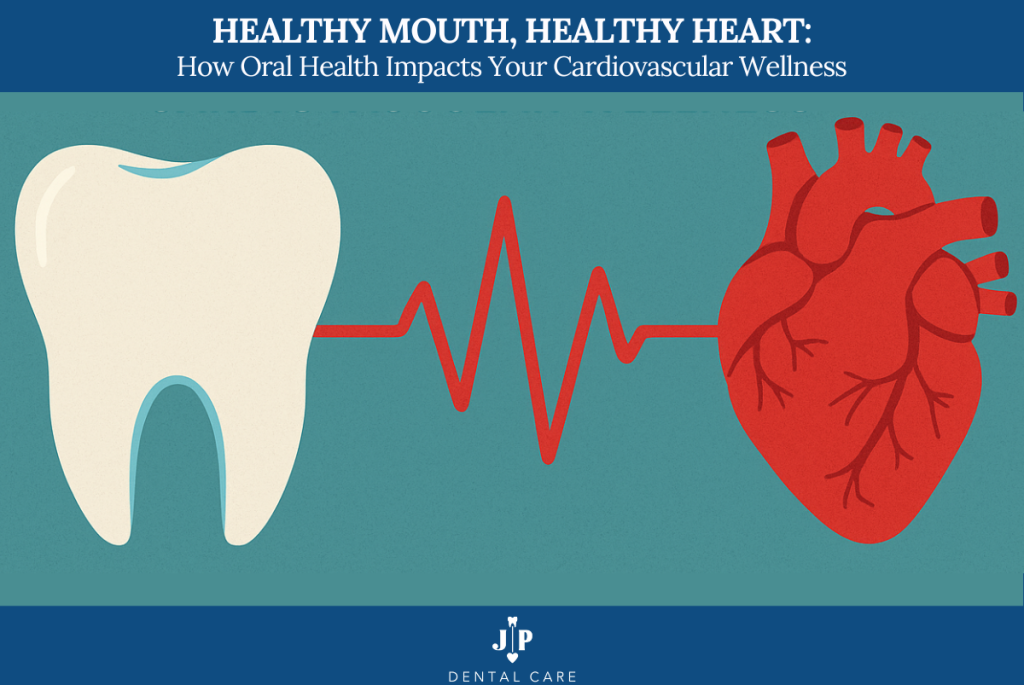
When most people think about oral health, they imagine brushing, flossing, and avoiding cavities. But what if maintaining a healthy mouth could also protect your heart? Mounting research has shown a strong link between dental health and cardiovascular disease, making it more important than ever to take good care of your teeth and gums.
At JP Dental Care, we believe that your oral health is a vital part of your overall wellness. Let’s explore how the health of your mouth can affect your heart—and what you can do to protect both.
The Connection Between Oral Health and Heart Health
The mouth is the gateway to the body. It harbors bacteria—some helpful, some harmful. When oral hygiene is poor, harmful bacteria can accumulate, leading to inflammation and infections such as gum disease (periodontitis). This inflammation doesn’t just stay in your mouth—it can spread throughout your body via the bloodstream, potentially affecting your heart and blood vessels.
Key Findings from Studies:
- People with periodontal disease are more likely to suffer from heart disease.
- Chronic inflammation from gum disease may contribute to atherosclerosis, or the narrowing of arteries.
- Oral bacteria have been found in the plaques of arteries, suggesting a direct link between dental infection and cardiovascular problems.
How Poor Oral Health Can Affect the Heart
Here are a few ways in which an unhealthy mouth can impact heart health:
1. Inflammation and Bacterial Spread
Oral infections cause inflammation, which can trigger a systemic response. When bacteria from the mouth enter the bloodstream, they can attach to damaged areas of the heart, leading to conditions like endocarditis, an infection of the inner lining of the heart.
2. Increased Risk of Cardiovascular Disease
Gum disease has been associated with an increased risk of heart attack, stroke, and hypertension. The inflammation caused by periodontitis may increase the buildup of arterial plaque, narrowing arteries and reducing blood flow.
3. Worsening of Existing Heart Conditions
Patients with preexisting heart conditions are more vulnerable to complications from oral infections. That’s why dentists often work closely with cardiologists to manage patients who have heart disease.
Protecting Your Mouth and Your Heart
Fortunately, maintaining good oral hygiene can help lower your risk of developing cardiovascular problems. Here’s how:
- Brush at least twice daily with fluoride toothpaste.
- Floss daily to remove plaque between teeth and below the gum line.
- Schedule regular dental cleanings and checkups—at least twice a year.
- Quit smoking, as it increases your risk of both gum disease and heart disease.
- Eat a heart-healthy diet rich in fruits, vegetables, whole grains, and lean proteins.
At JP Dental Care, we provide comprehensive cleanings, periodontal care, and education to keep your teeth, gums, and heart in great shape.
Q&A: Oral Health and Heart Health
Q: Can gum disease really cause heart disease?
A: While gum disease doesn’t directly cause heart disease. However oral bacteria significantly increases inflammation in the body and may contribute to arterial plaque buildup, increasing cardiovascular risk.
Q: What are the symptoms of gum disease I should watch for?
A: Common symptoms include red, swollen, or bleeding gums; persistent bad breath; receding gums; and loose teeth. If you notice any of these signs, schedule a dental exam promptly.
Q: How often should I see a dentist if I have heart disease?
A: At minimum, you should see your dentist every six months. However, if you have periodontal issues or are at risk of infection due to heart conditions, your dentist may recommend more frequent visits.
Q: Is it safe to undergo dental procedures if I have a heart condition?
A: Yes, but it’s important to inform your dentist of your medical history, medications, and any heart-related diagnoses. We take extra precautions to ensure your safety, including consulting with your physician if needed.
Q: Can treating gum disease improve heart health?
A: Treating gum disease reduces overall inflammation in the body, which can benefit heart health. Some studies have shown that periodontal treatment may lower blood pressure and markers of cardiovascular stress.
Prioritize Your Health—From Mouth to Heart
Your smile is more than just cosmetic—it’s a reflection of your overall health. By maintaining good oral hygiene, you not only protect your teeth and gums but also contribute to a healthier heart.
At JP Dental Care,, we’re committed to helping our patients lead healthier lives through compassionate, high-quality dental care. Whether you’re looking for preventive services or treatment for gum disease, we’re here to support your wellness journey.
Contact JP Dental Care Today
📍 Visit Us: 18444 Brookhurst St, Fountain Valley, CA 92708
📞 Call Us: (714) 962-2471
🌐 Website: jpdencalcareca.com
We’re currently accepting new patients! Call us today to schedule your appointment and take the next step toward a healthier smile—and a healthier heart.
“Healthy mouth, healthy heart—it’s all connected. Let us help you protect both.”